Incoterms 2020 Demystified: Avoiding Hidden Demurrage in DDP vs FOB Shipping
Choosing the wrong commercial terms can shift thousands of dollars in unexpected destination handling and customs examination costs onto the buyer. Here is what you need to know.
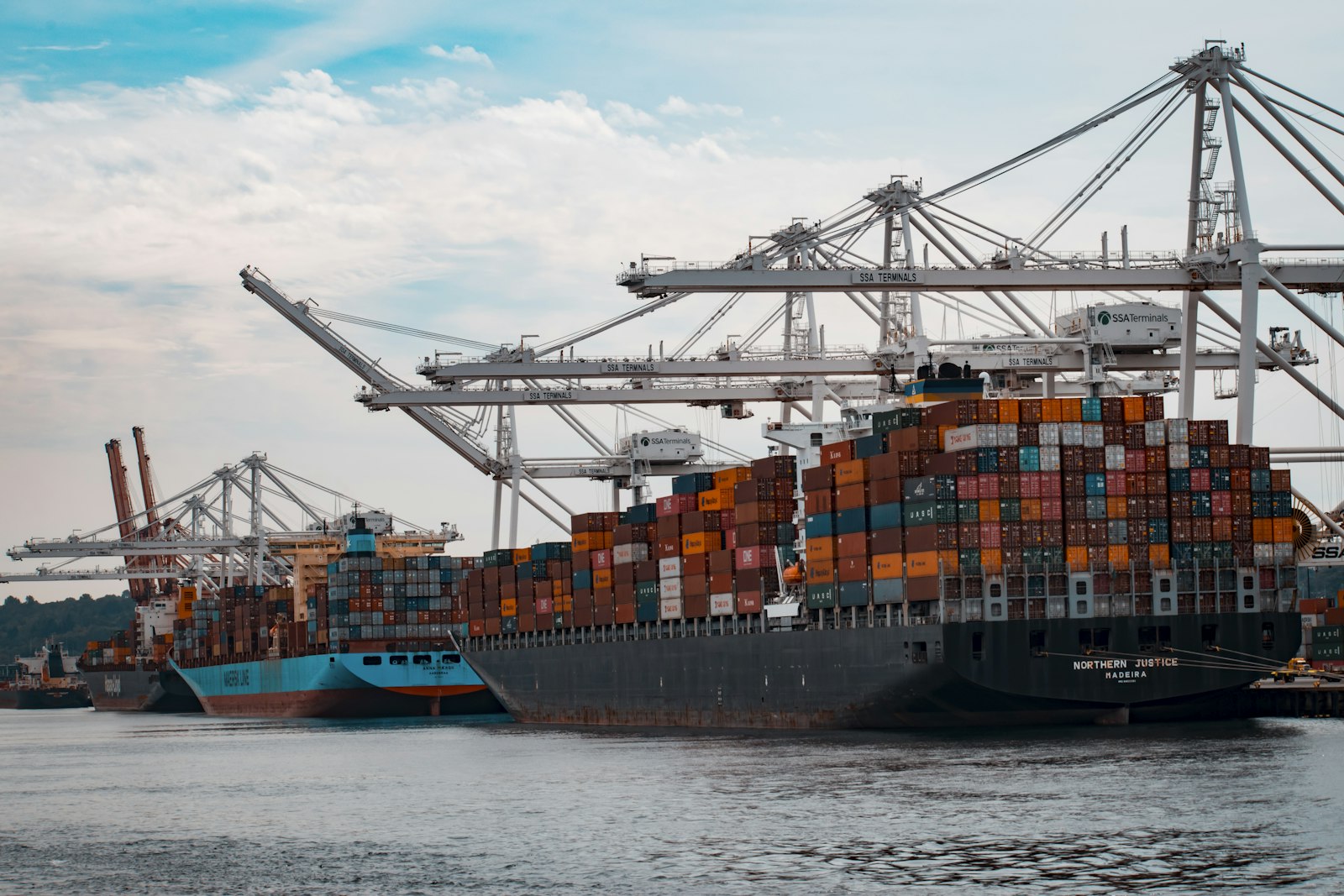
The Hidden Perils of Buyer-Arranged DDP
While DDP appears risk-free to the buyer, foreign sellers often lack local customs brokerage licenses in destination ports. This leads to extended customs holds, entry audit inquiries, and unexpected port storage fees that the buyer is ultimately forced to settle.
Why FOB or FCA Provides Maximum Visibility
Under FOB or FCA terms, the importer retains control of the ocean or air carrier booking. This transparency allows the importer to negotiate free time allowances, track container milestones, and resolve customs pre-clearance while the vessel is still on the high seas.
"Retaining freight booking control through FOB or FCA enables commercial importers to negotiate 14 days of destination free time and eliminate unexpected terminal charges."
Client Questions & Comments (0)
Related Maritime & Supply Chain Analyses

How cargo shippers are leveraging advance carrier commitments, direct port calls, and real-time telemetry to mitigate spot rate volatility during transpacific peak volumes.

Strict GDP regulations require unbroken thermal visibility for critical biologics. Discover how real-time IoT sensors and ramp-side cold rooms ensure zero excursions.

Comparing fuel efficiency, transit schedules, and dwell times between inland rail terminals and dedicated overland linehaul networks for heavy industrial cargo.
Optimize Your Corridor Capacity & Customs Clearance
Get direct vessel allocations, bonded FTZ warehousing, and guaranteed transit times for your enterprise shipments.