Navigating Transpacific Peak Season: Vessel Blank Sailings & Capacity Allocation
How cargo shippers are leveraging advance carrier commitments, direct port calls, and real-time telemetry to mitigate spot rate volatility during transpacific peak volumes.

The Anatomy of Modern Blank Sailings
Global carrier alliances adjust vessel capacity dynamically to align with global trade demand. When demand fluctuates or port congestion mounts, carriers withdraw sailings on short notice. Proactive logistics managers counter this by distributing consignments across complementary consortium loops rather than relying on a single service window.
Advance Contractual Space Guarantees
By contracting tier-1 freight forwarders with FMC-licensed slot guarantees, cargo owners protect their critical supply chains from sudden carrier rollovers. Automated container telemetry provides 48-hour pre-berth notices to secure early terminal gate appointments.
Terminal Drayage Synchronization
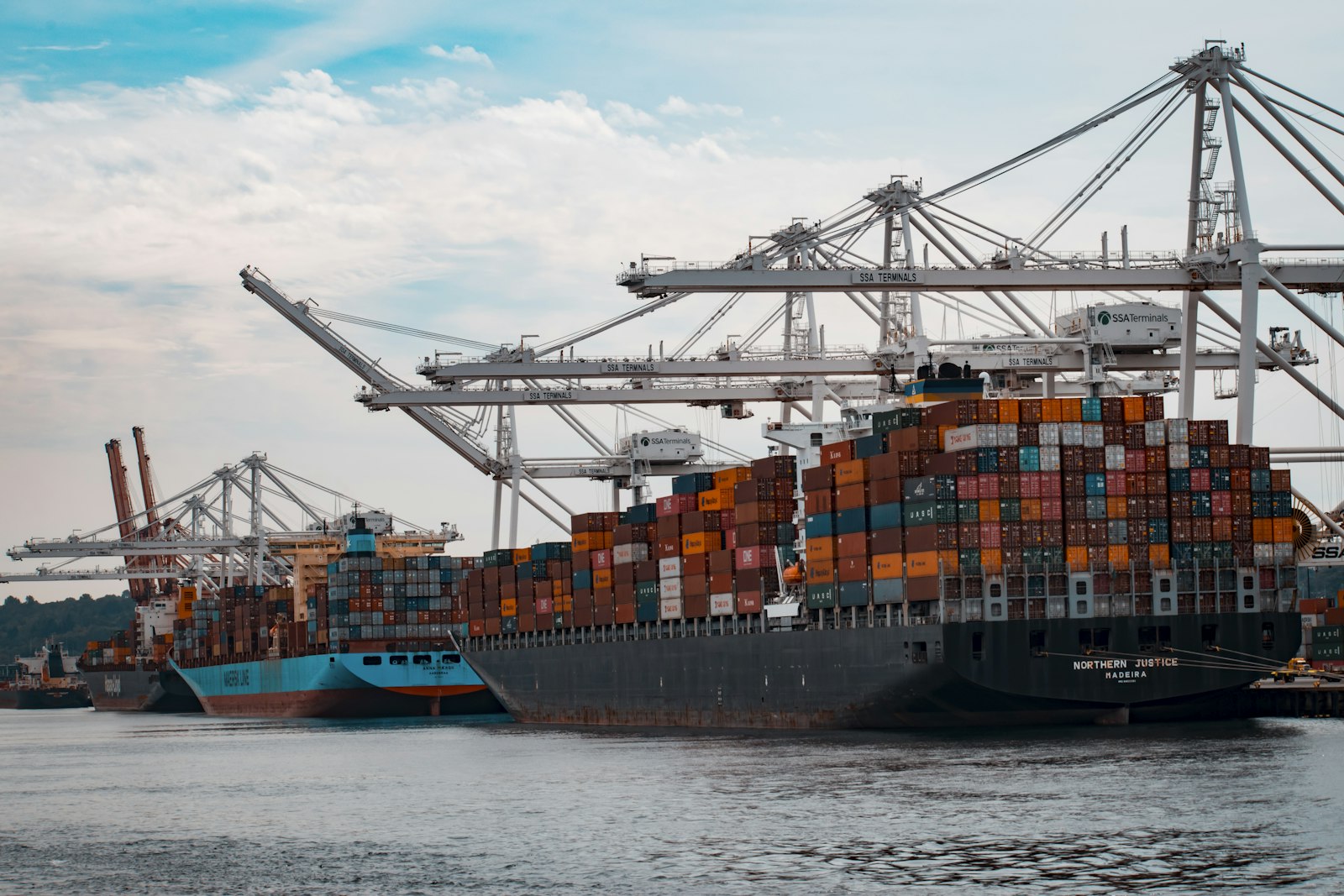
Even when a vessel docks on schedule, terminal congestion can stall containers on the apron for days. Coordinating drayage dispatch directly with crane gang discharge schedules cuts average container yard dwell by up to 4.2 days per 40ft box.
"Diversifying transpacific carrier loops and locking in verified space commitments 3 weeks prior to origin factory release eliminates over 90% of seasonal rollover risks."
Client Questions & Comments (2)
The advance space allocation strategy saved our holiday shipments from being rolled in Shanghai. Highly recommended read for any importer.
Are these carrier contractual safeguards applicable to specialized flat-rack project cargo as well?
Related Maritime & Supply Chain Analyses

Strict GDP regulations require unbroken thermal visibility for critical biologics. Discover how real-time IoT sensors and ramp-side cold rooms ensure zero excursions.
Choosing the wrong commercial terms can shift thousands of dollars in unexpected destination handling and customs examination costs onto the buyer. Here is what you need to know.

Comparing fuel efficiency, transit schedules, and dwell times between inland rail terminals and dedicated overland linehaul networks for heavy industrial cargo.
Optimize Your Corridor Capacity & Customs Clearance
Get direct vessel allocations, bonded FTZ warehousing, and guaranteed transit times for your enterprise shipments.